





About.
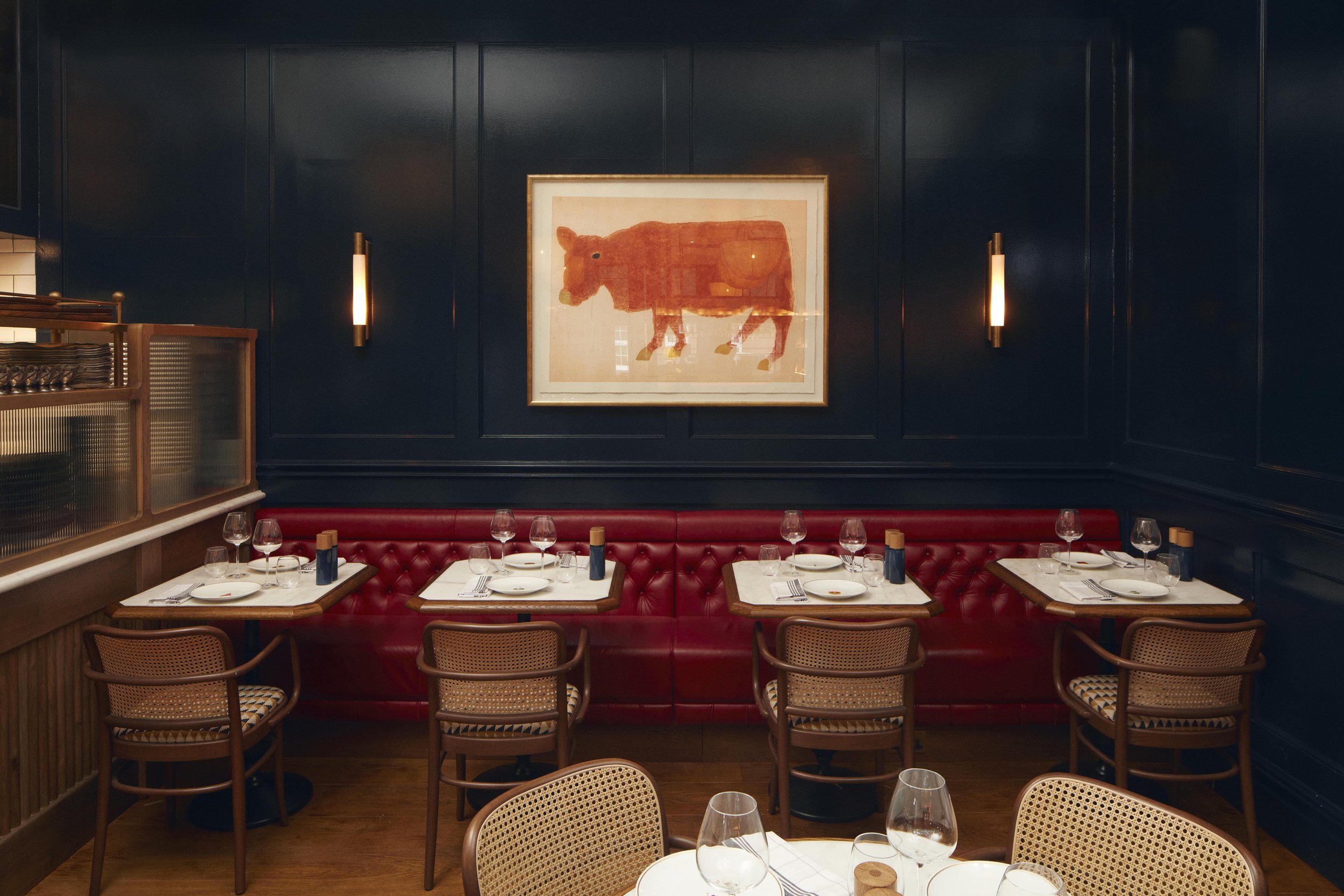
Neville + Neville is an interior architecture and design studio based in London. Established in 2018, and having previously worked on an array of commercial and residential projects, both in the UK and internationally, for award winning design practices including AvroKO, Soho House, MBDS and David Collins Studio, our team brings together over 20 years of industry experience.
We all share a passion for beautifully detailed and considered design and our work is concept led, but also very much tailored to our Clients. Working closely with them to deliver projects that are successful on both an aesthetic and operational level.
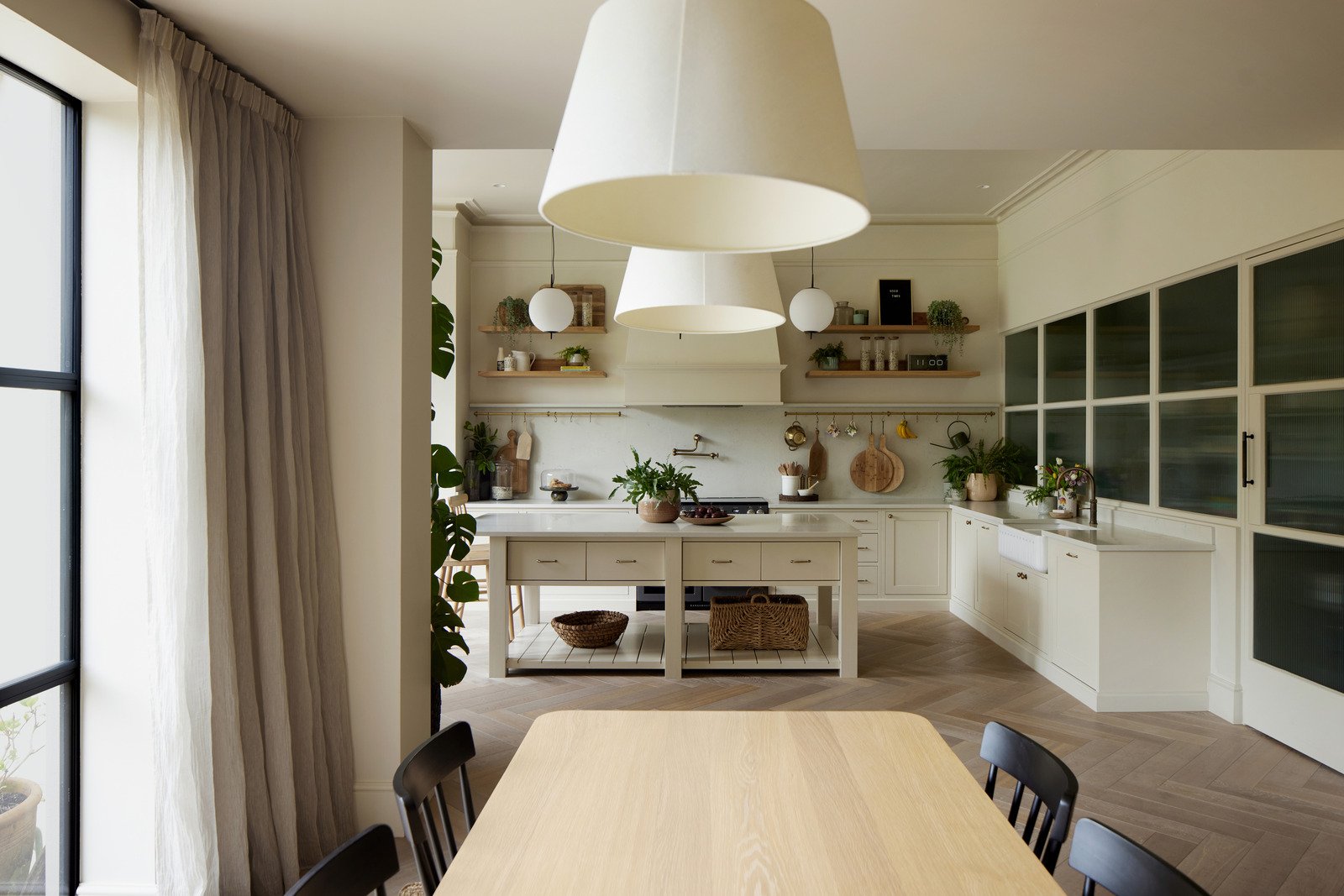
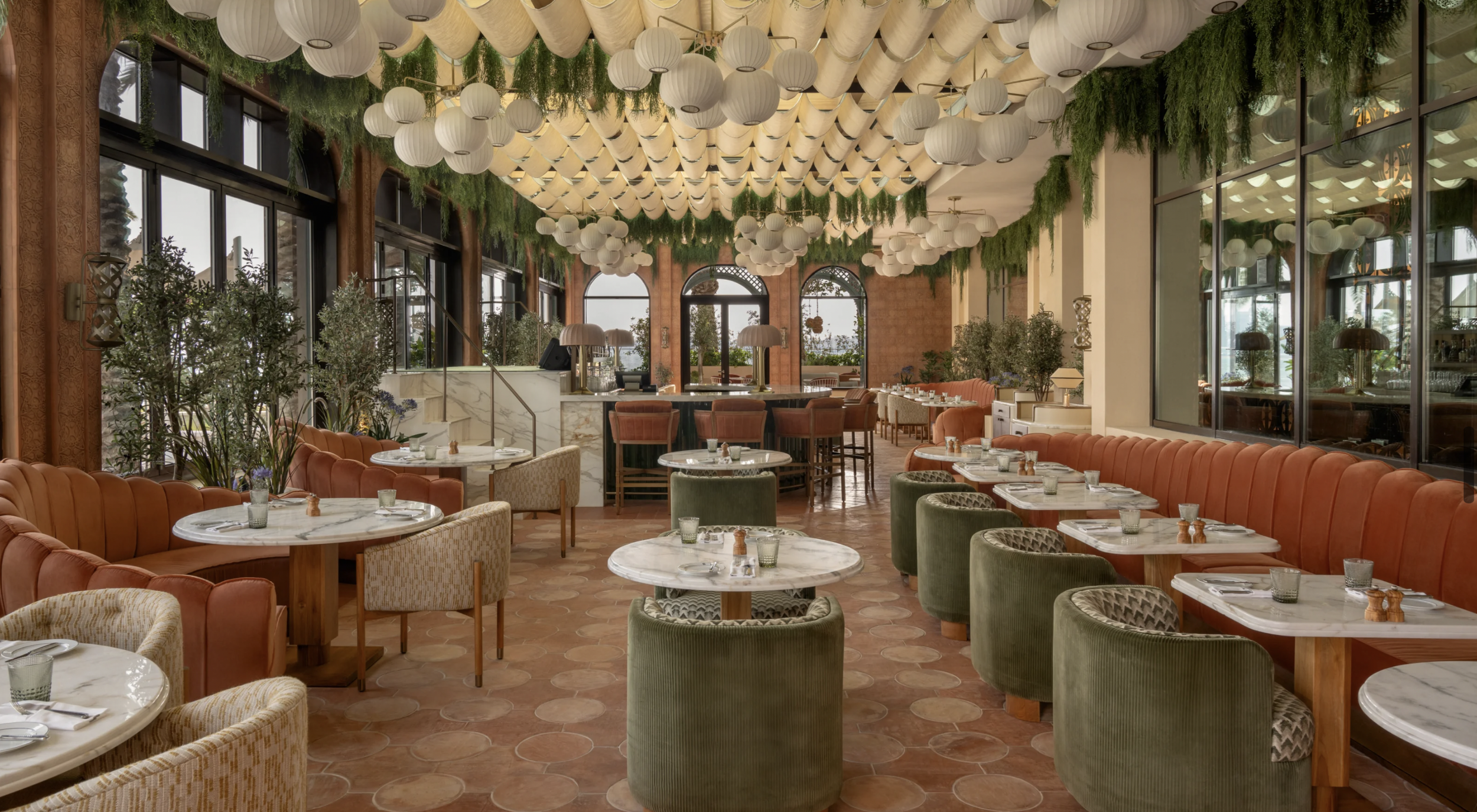
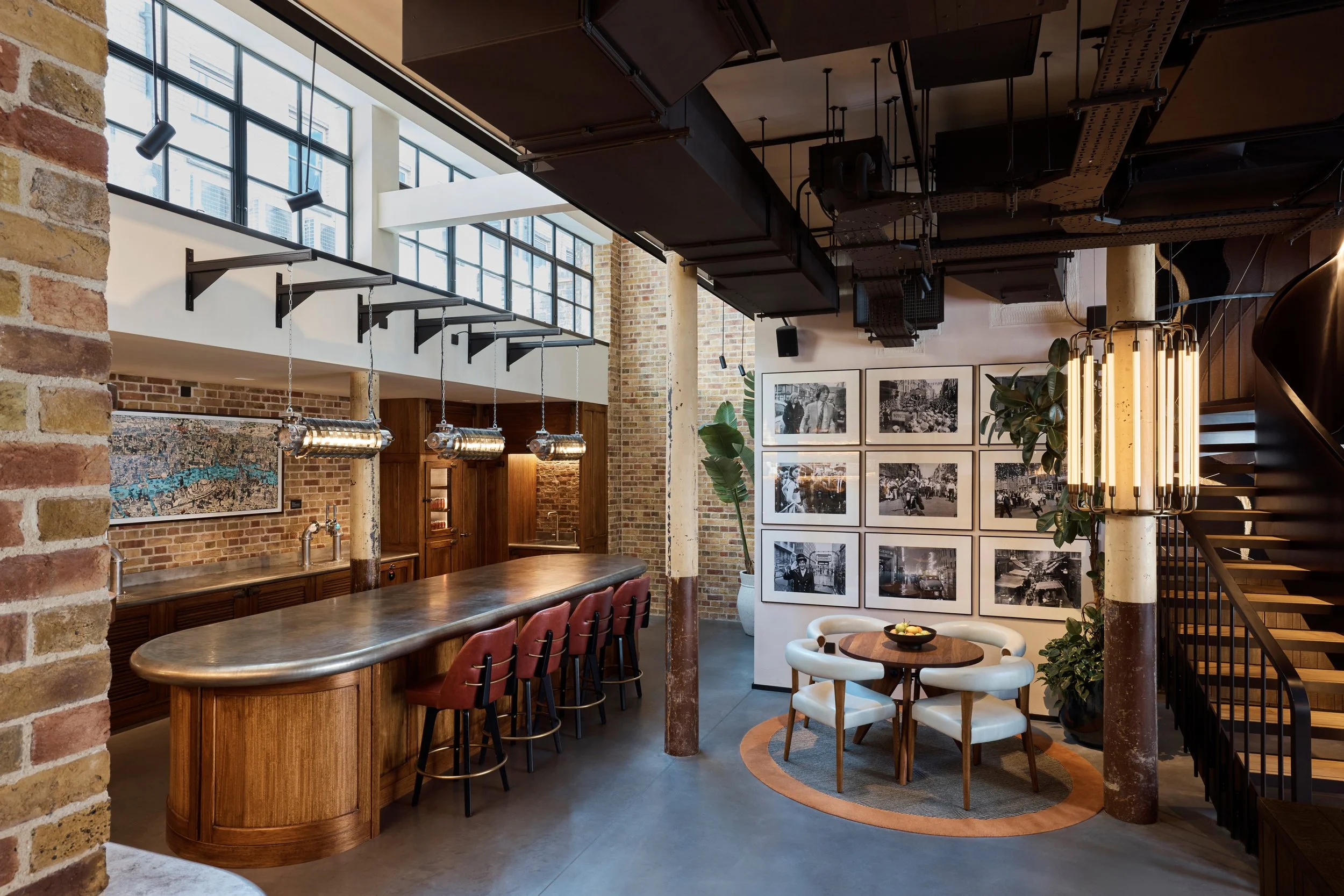
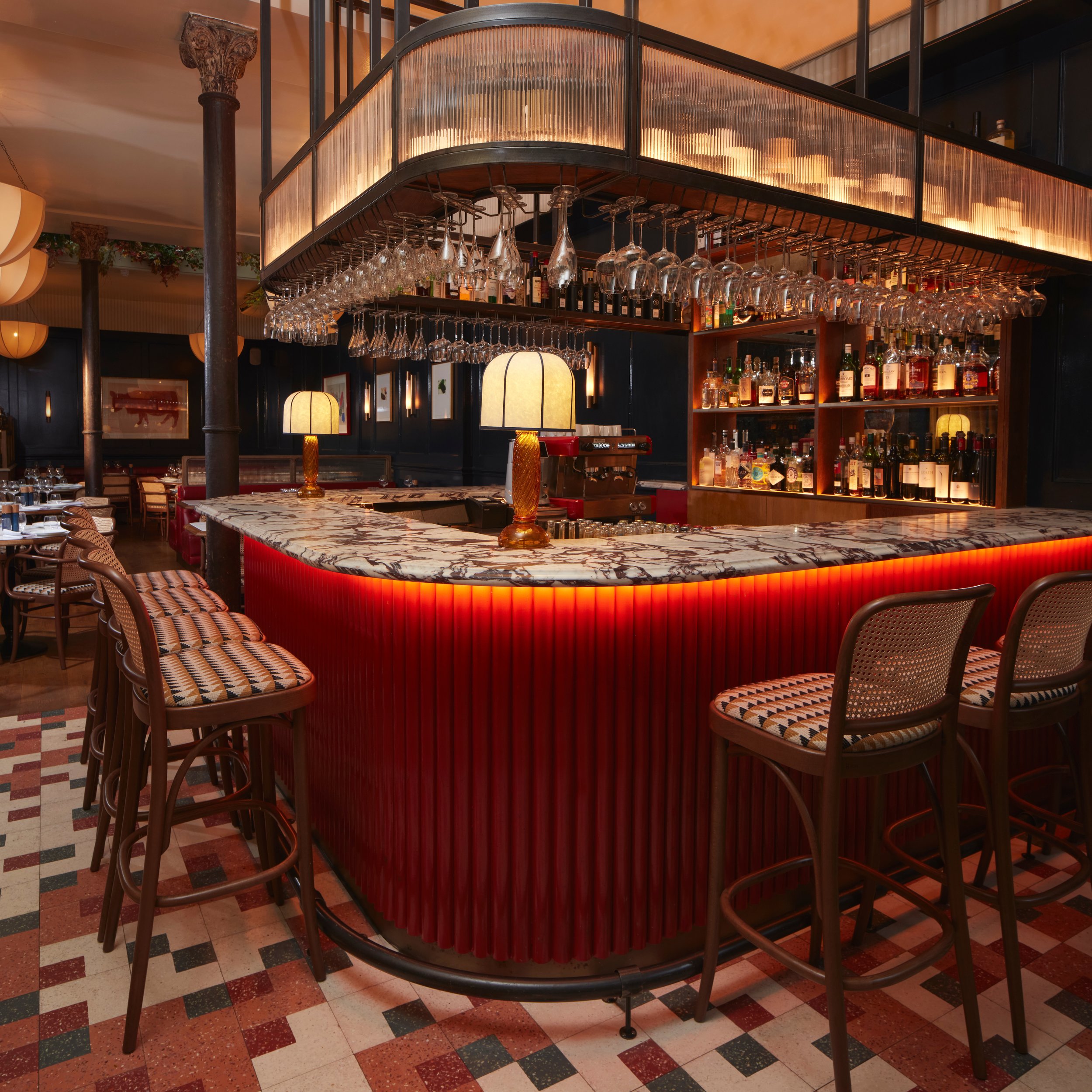
The studio works across hospitality, residential and workspace interiors. Striving to deliver meaningful spaces that are inviting yet refined. Spaces that provoke an emotional response, and most importantly spaces that people want to spend time in. Working collaboratively with our Clients and paying great respect to each and every building’s context and history, we ensure each project is highly personalised.
Interiors.


Services.
-
Concept Development
Feasibility Study
Pre-purchase Property Advice
-
Conceptual Packages
Fully coordinated interior architecture drawing package
Tender documentation
Project Management + Coordination
-
Concept & Design Development
Material & FF&E Exploration
Bespoke joinery
Furniture + Lighting Design
Procurement
Installation & Styling
Contact.
If you would like to work with Neville + Neville, please get in touch.
+44 (0)7837 198233